Holiday travel can be exciting, but it can also bring big changes in routine that feel overwhelming for autistic children. Crowds, new environments, unfamiliar sounds, and long days can create stress for the whole family. With some planning and the right support, you can make travel smoother and more enjoyable.
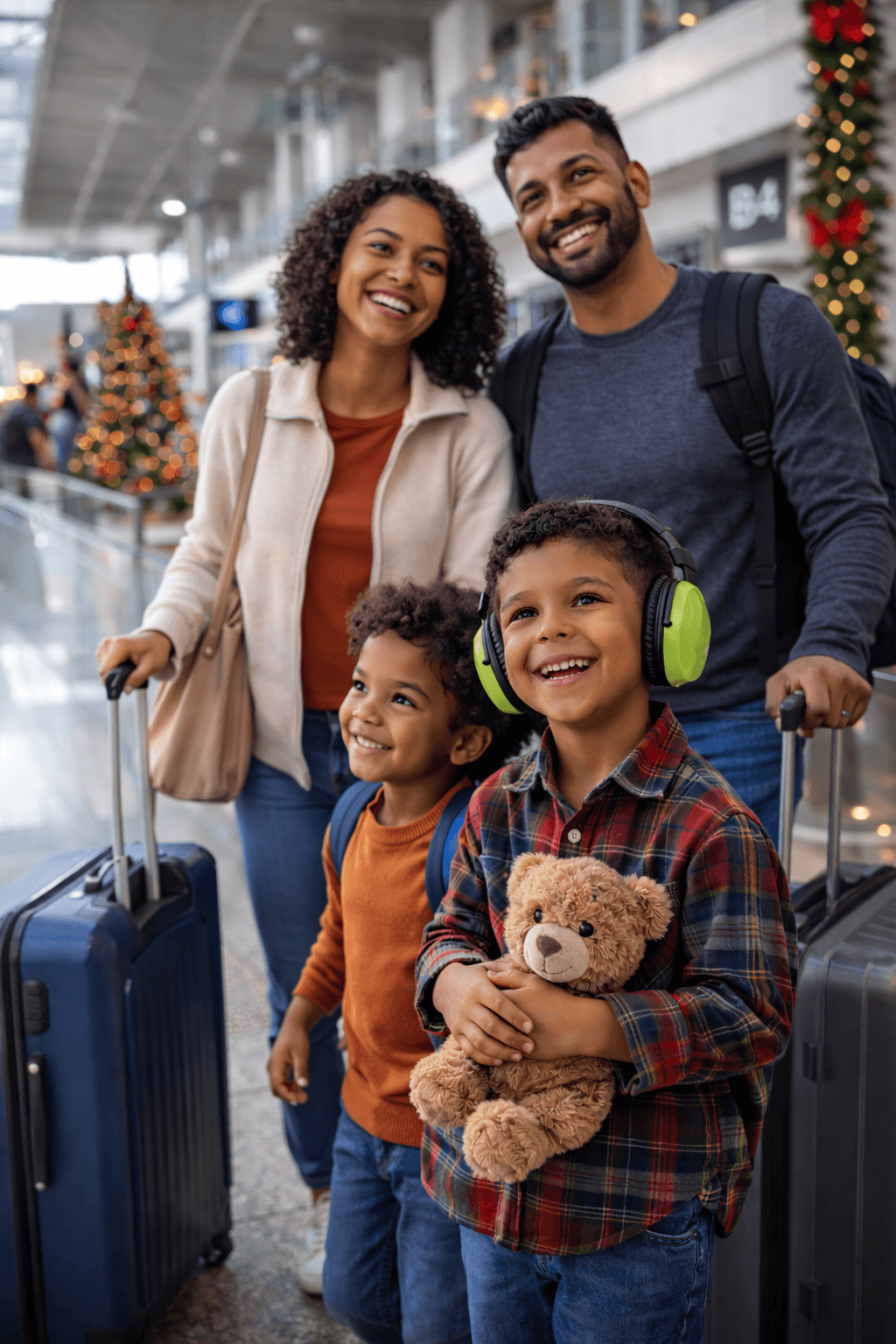
Holiday travel can be exciting, but it can also bring big changes in routine that feel overwhelming for autistic children. Crowds, new environments, unfamiliar sounds, and long days can create stress for the whole family. With some planning and the right support, you can make travel smoother and more enjoyable.
This guide shares simple, practical ways to prepare for holiday travel while leaning on your ABA team and Intercare ABA for support.
1. Start with a Clear and Predictable Plan
Knowing what to expect reduces anxiety. Begin preparing your child early by talking about the upcoming trip and reviewing what the day may look like.
Try:
A visual schedule made with icons or pictures
Watching videos of airports, hotels, or destinations
Reviewing what will stay the same and what may feel different
2. Practice Ahead of Time
Small rehearsals help build confidence and reduce worry.
You can practice:
Sitting in the car with bags packed for a short drive
Walking through steps like security screening at home
Using headphones, a weighted lap pad, or other tools before travel
Your clinical team can role play travel situations during sessions to help your child get familiar with the process.
3. Pack a Sensory and Comfort Kit
Travel comes with lots of sensory input. A comfort kit makes it easier for your child to stay regulated.
Helpful items include:
Noise canceling headphones
Sunglasses or a hat
Fidgets or chewable items
A preferred snack
A comfort object from home
4. Support Communication Needs
Make sure your child has reliable ways to express their needs during travel.
Consider:
Bringing AAC devices and chargers
Preparing simple communication cards
Reviewing a signal or gesture that means "I need a break"
Intercare ABA can help develop individualized communication supports to use on the trip.
5. Plan for Breaks and Quiet Spaces
Predictable breaks prevent overwhelm. Look ahead for quiet areas at airports or rest stops and choose activities that give your child space to recharge.
6. Give Yourself Extra Time
Rushing increases stress. Build extra time into your schedule for transitions, snacks, restroom breaks, and regulation moments.
7. Stay Flexible and Celebrate Small Wins
Travel rarely goes exactly as planned. Flexibility helps everyone feel calmer. Celebrate when things go well, even in small ways.
Your clinical team can help you develop backup plans, scripts, and coping strategies for unexpected situations.
8. Use Travel Supports and Accommodations
Many travel services offer supports that help children with autism feel more comfortable. This may include early boarding, sensory friendly spaces, or TSA assistance.
Final Thoughts
Holiday travel does not have to be overwhelming. With preparation, ABA strategies, and the support of your clinical team, you can make the experience more enjoyable for your child and your whole family. Intercare ABA is here to help create tools and supports tailored to your travel journey.
